

ADAS – Surround View System
Design and Implementation of an ADAS Surround View System (SVS) for Enhanced Low-Speed Vehicle Safety
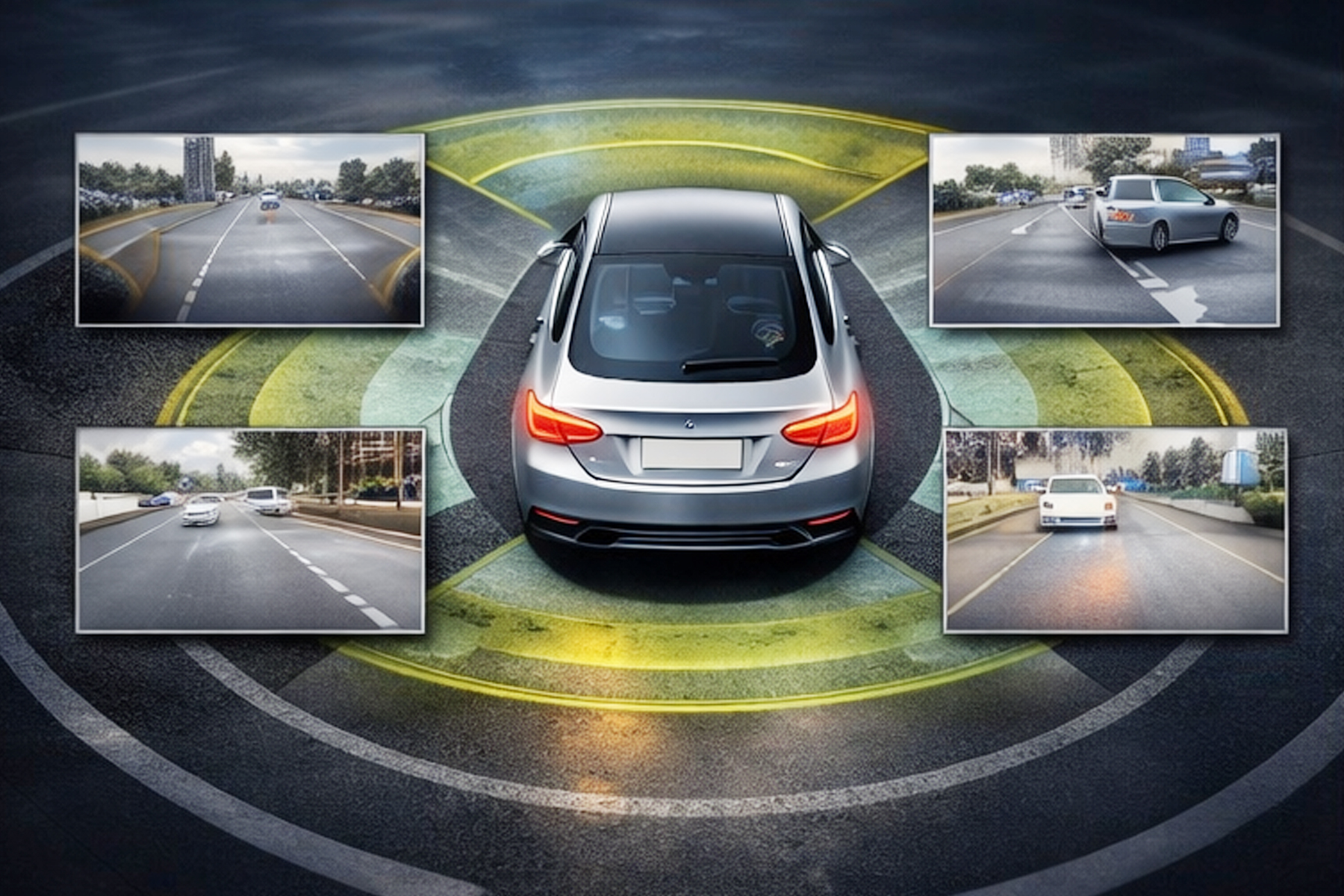
Surround View System (SVS) is an Advanced Driver Assistance System (ADAS) feature that provides a 360-degree bird’s-eye view around the vehicle using multiple cameras. It enhances safety during low-speed maneuvers such as parking, tight turns, and obstacle avoidance.
❖ Business & Safety Motivation
- Reduce blind spots around the vehicle.
- Improve driver confidence during parking
- Reduce low-speed collisions
- Meet NCAP and OEM safety feature expectations
❖ Use Case Overview
- Use Case Name 360° Surround View Assistance
- Operational Domain Urban roads, parking lots, residential areas
- Vehicle Speed Range 0–20 km/h
- Primary Users Passenger vehicle drivers, fleet operators
❖ System Architecture
The Surround View System consists of:
- 4 Wide-angle Cameras (Front, Rear, Left, Right)
- Electronic Control Unit (SVS ECU)
- Image Signal Processor (ISP)
- Vehicle CAN / Ethernet Network
- Infotainment / Cluster Display
❖ Camera & Hardware Specifications
- Camera Resolution 1–2 MP
- Operational Domain Urban roads, parking lots, residential areas
- Vehicle Speed Range 0–20 km/h
- Primary Users Passenger vehicle drivers, fleet operators
❖ Software Architecture
- OS AUTOSAR Classic / Adaptive or Embedded Linux
- Middleware DDS / SOME-IP
- Drivers Camera, Display, CAN, Ethernet
- Application Layer Image Processing, Calibration, Fusion, Rendering
❖ Functional Workflow
- Step 1 Camera image acquisition
- Step 2 Image signal processing (ISP)
- Step 3 Camera calibration & distortion correction
- Step 4 Perspective transformation
- Step 5 Image stitching & blending
- Step 6 Overlay guidelines & object markers
- Step 7 Render output to display
❖ Calibration Process
- Intrinsic calibration (lens distortion)
- Extrinsic calibration (camera position & orientation)
- Factory calibration using checkerboard patterns
- Dynamic calibration support (optional)
❖ Algorithms Used
- Fisheye distortion correction
- Homography & perspective mapping
- Feature-based stitching
- Alpha blending
- Optional AI-based object detection
❖ Data Flow
Camera → ISP → SVS ECU → Image Fusion → Display Controller → Head Unit
❖ Interfaces & Communication
- Camera to ECU GMSL / FPD-Link
- ECU to Display LVDS / HDMI
- Vehicle Signals LVCAN / CAN-FD / Ethernet
- Diagnostics UDS over CAN
❖ Safety & Compliance
- ISO 26262 (ASIL-B)
- ASPICE (SYS & SWE)
- Cybersecurity: ISO 21434
- Functional monitoring & watchdogs
❖ Tools & Toolchain
- Development C/C++, Python
- OS & Middleware AUTOSAR, Yocto Linux
- Modeling MATLAB / Simulink
- Configuration DaVinci Configurator
- Testing TESSY, CANoe, Jenkins CI
- Version Control Git
❖ Validation & Testing
- Unit testing (SIL) using TESSY
- MIL & HIL testing
- Camera fault injection
- Environmental & vibration testing
❖ KPIs & Performance Metrics
- Latency < 100 ms
- Stitching accuracy < 2 cm
- Frame drop rate < 1%
- System availability > 99.9%
❖ OEM & Tier-1 Applicability
Applicable for OEMs developing parking assistance, premium ADAS features, and autonomous parking solutions. Suitable for passenger vehicles, SUVs, and light commercial vehicles.
❖ Conclusion
The Surround View System is a critical ADAS feature that enhances vehicle safety and usability. With robust hardware, advanced image processing, and compliant development practices, SVS delivers reliable real-time situational awareness.